







Search Results for: Coffee Pulp Brewing
What Value Does Coffee Pulp Have? An Analysis of Cascara Coffee Cherry Tea's Production Method, Flavor Characteristics, and Caffeine Content
As the specialty coffee and tea beverage markets continue to evolve, an exotic drink called Cascara has gradually entered the public eye—it is precisely a cascara tea made from dried coffee fruit pulp. This beverage sits somewhere between coffee and tea, offering unique flavors of rosehip, hibiscus, and cherry, while containing far less caffeine than coffee. This article will provide a comprehensive analysis of the reuse value of coffee pulp, from the definition of Cascara, processing methods, flavor characteristics, caffeine data, and historical origins to brewing recipes, and will introduce Front Street Coffee's recommendations and product information for this category, helping coffee enthusiasts and shop owners understand this eco-friendly and novel beverage option. [more…]
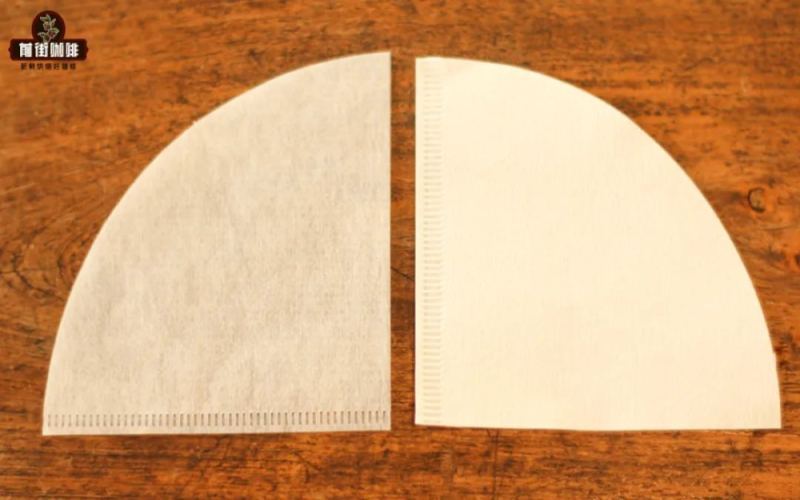
Why Is Non-Woven Filter Paper for Brewing Coffee So Niche? A Full Analysis of Material Properties, Measured Flow Rate, and Flavor Differences
In pour-over coffee, wood pulp filter papers are almost absolutely dominant, but have you ever noticed another material—non-woven fabric filters? They are actually widely found in the filter bags of drip coffee bags, yet are rarely used on their own for pour-over. This fabric is made from composite fibers through a special process, and its gaps are larger than those of wood pulp filter papers, allowing some coffee oils to be retained and giving the brew a fuller body. However, it also has a troublesome characteristic: after contacting water, it somehow stays dry as if coated with wax, and must be repeatedly rinsed with hot water before it will fit snugly against the dripper. Through actual testing, Front Street Coffee found that non-woven fabric filters are almost the same as wood pulp ones in flow rate, but the brewed coffee is more turbid in color and heavier in flavor, even carrying a slight feel of flannel filter cloth. If you are curious about how this niche filter paper performs, this article will take you through it. [more…]
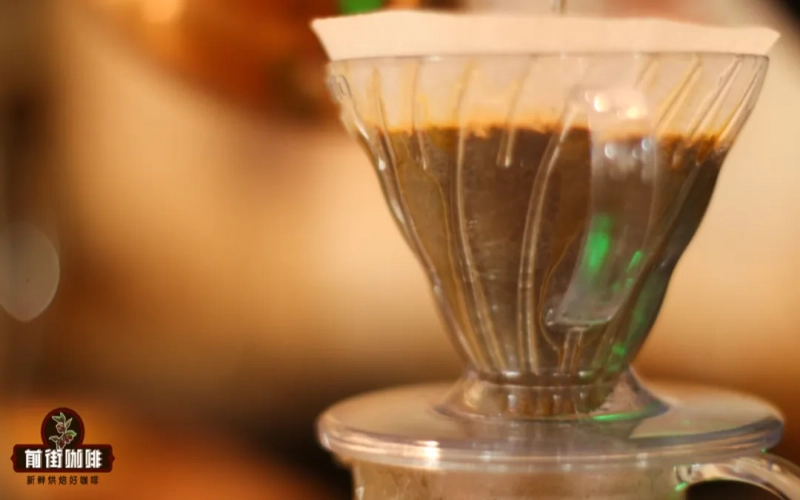
A Complete Analysis of Coffee Filter Paper Materials and Bleaching Differences: How They Affect Extraction Flavor and Brand Recommendations
In coffee brewing, the choice of filter paper is far more than just about size and whether it's bleached. Different materials such as wood pulp, non-woven fabric, hemp, or plastic directly affect filtration performance, which in turn changes the coffee's extraction yield and final flavor. This article takes a deep dive into how filter paper material influences filtration effectiveness, compares the pros and cons of bleached versus natural wood pulp filters, and answers which brand is more trustworthy. Front Street Coffee will walk you through how these differences shape the taste of every cup, helping you make a wiser choice. [more…]
Analysis of the Differences Between Washed and Natural Processing Methods for Yirgacheffe and Key Brewing Points for Natural Beans
Yirgacheffe, as Ethiopia's most representative specialty coffee region, presents radically different flavor profiles depending on whether the washed or natural processing method is used. The washed method, by removing the skin and pulp and rinsing with clean water, delivers a clean and transparent floral and citrus character; the natural method, by keeping the whole fruit intact for extended drying, endows the beans with an intense tropical fruit fermentation quality and fuller body. This article systematically sorts out the process differences and grade classifications of the two processing methods, and, combined with Front Street Coffee's specific Yirgacheffe products, shares practical brewing parameters and tasting experiences for natural beans, helping coffee lovers more clearly understand and choose the cup that suits their own taste. [more…]

What is the difference between sun-dried and washed Yirgacheffe? A complete comparative analysis from processing method to brewing flavor
Yirgacheffe is Ethiopia's most representative specialty coffee region, and the two processing methods—natural and washed—give it completely different flavor directions. Through actual brewing comparisons, this article sorts out the specific differences between washed Yirgacheffe and natural Yirgacheffe in acidity, aroma, and mouthfeel, traces the background of the introduction of washed processing and its procedures, and explains in detail the strict screening standards for natural beans. The article also includes complete pour-over recipes for Front Street Coffee. Washed Yirgacheffe and Front Street Coffee. Natural Yirgacheffe, including the V60 dripper, water temperature, coffee-to-water ratio, grind size, and three-stage pouring rhythm, helping coffee enthusiasts reproduce the delicate floral notes and full fruity charm at home. [more…]
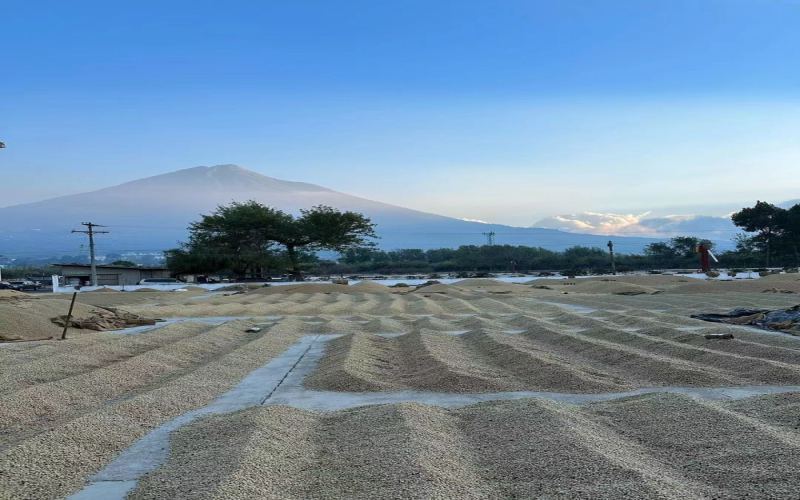
A Complete Analysis of Costa Rican Honey-Processed Coffee Bean Flavors and Processing Methods: From Semi-Washed to Yellow, Red, and Black Honey
The honey processing method originated in Costa Rica and represents an improvement and refinement of Brazil's pulped natural process. After removing the skin and pulp, it retains varying proportions of mucilage for sun-drying. Depending on the amount of mucilage retained and the duration of sunlight exposure, it is further classified into three grades—yellow honey, red honey, and black honey—with flavors ranging from balanced and sweet to intense and rich. This article systematically reviews the operational procedures, flavor characteristics, and grading logic of pulped natural and honey processing, and offers brewing recommendations for two representative beans from Front Street Coffee—the Brazil Red Bourbon and the Costa Rica Geisha—to help coffee enthusiasts gain a deeper understanding of the intricacies of this processing method. [more…]
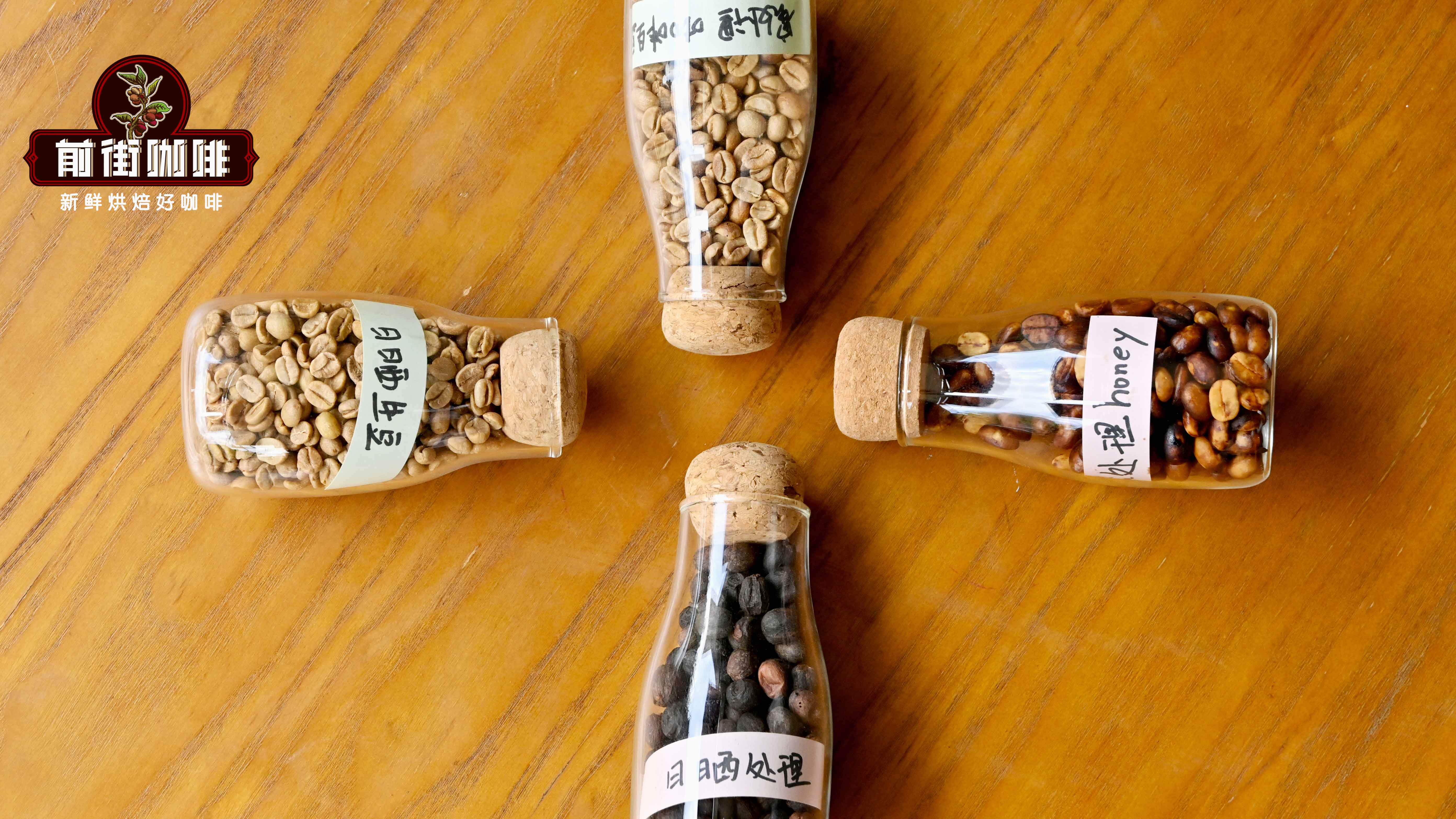
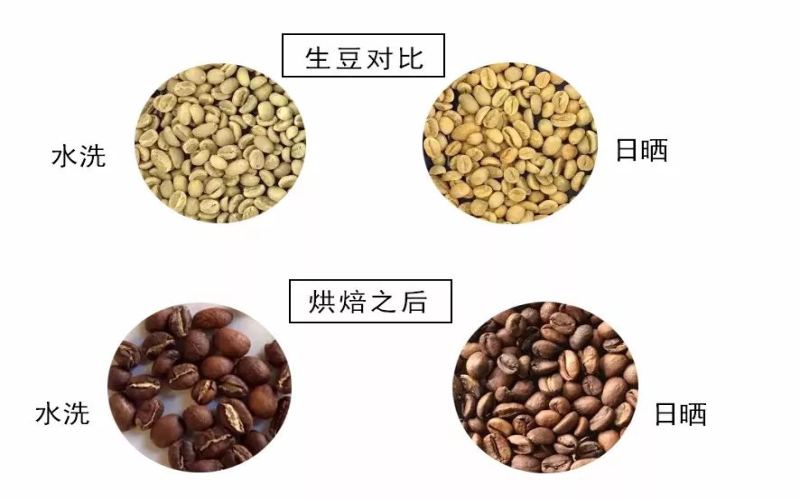
A Complete Analysis of the Flavor Differences Between Natural and Washed Coffee Beans: From Green Bean Appearance to Cupping Taste and Brewing Comparison
Among coffee bean processing methods, natural and washed are the most common, and the two differ significantly in green bean appearance, roasting performance, silver skin shedding, and final cupping flavor. Through long-term cupping, Front Street Coffee has found that washed beans highlight the bean's intrinsic flavor, with bright and clean acidity; natural beans, because the fruit pulp participates in drying, have richer aroma, enhanced sweetness and body, and more complex flavor. This article compares two Panama Butterfly beans, one natural and one washed, one by one from processing flow, advantages and disadvantages, roasting details to actual brewing parameters, helping coffee enthusiasts understand the flavor changes brought by different processing methods and make choices based on personal preference. [more…]
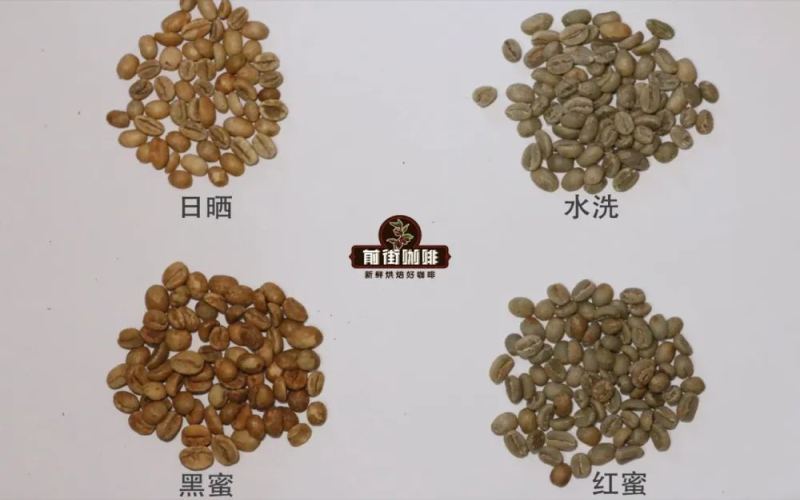
Which coffee varieties are suitable for the washed process? A detailed explanation of the flavor characteristics of washed coffee beans and the complete processing flow
The washed processing method is one of the most common and most highly regarded processing methods in specialty coffee, known for its clean flavor, bright acidity, and uniform bean appearance. This article, from the perspective of Front Street Coffee, will systematically explain the structure of the coffee fruit, each step of the washed process, and the advantages, disadvantages, and flavor characteristics of washed beans. Through a comparative experiment between two washed beans—Kenya Asaliya and Yirgacheffe Gediding—it will demonstrate how the same processing method can present completely different flavor profiles under different origins, varieties, and altitude conditions. [more…]
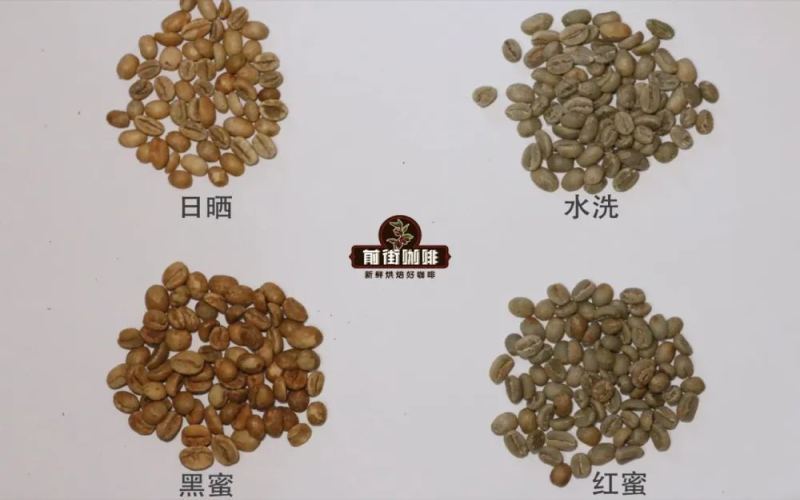
A Complete Guide to the Three Main Coffee Processing Methods: A Comparison of Natural, Washed, Honey, and Anaerobic Enzyme Processes
The flavor of coffee depends to a large extent on how the green beans are processed. Natural, washed, and honey processing, as the three classic methods, each present distinctly different flavor directions. In addition, enzyme processing and anaerobic fermentation have gradually entered the public eye in recent years, adding more possibilities to coffee. Front Street Coffee believes that using such fermentation techniques in moderation to create distinctive flavors is worthy of recognition, but if they are used to mask defects in the coffee beans themselves, that deviates from the original purpose of the processing method. This article will systematically sort out the specific procedures and flavor characteristics of these processing methods, and combine them with representative products on the Front Street coffee list to help coffee lovers build a clearer understanding. [more…]

A Complete Guide to the Washed Process: Step-by-Step Flow, Flavor Characteristics, and How It Compares to Natural and Honey Processing
The annual production of coffee beans reaches as high as 8.4 billion kilograms, and the processing method is one of the key stages that determines the direction of flavor. The washed processing method is known for its clean, bright, and prominently acidic qualities, and serves as the foundational flavor benchmark for many specialty coffee regions. From the perspective of Front Street Coffee, this article systematically sorts out the complete steps of the washed method—from removing floating beans, depulping and demucilaging, fermentation, washing, to drying and hulling—and analyzes its advantages, disadvantages, and the causes of its flavor. At the same time, it compares the differences between natural and honey processing, and uses two washed beans, Kenya Asalia and Yirgacheffe Gedingding, as examples to show the diverse expressions of the same processing method under different origins, varieties, and altitudes. [more…]
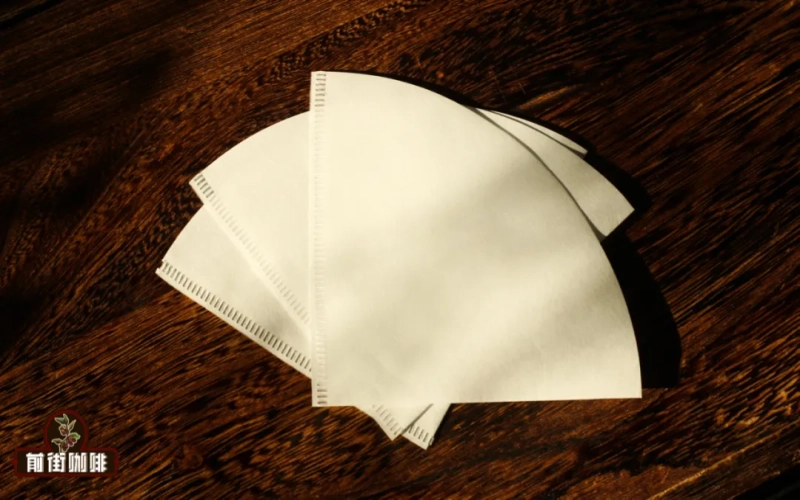
Analysis of the Principles of Non-Woven Coffee Filter Paper: Material Characteristics of Non-Woven Fabric and Structural Differences from Magic Filter Paper
Non-woven filter paper, also known as nonwoven fabric filter paper, has long drawn attention in coffee brewing for its ability to let oils and fine particles pass through and enhance body. Front Street Coffee noticed a special filter paper that differs from conventional non-woven fabric in both appearance and feel—its texture is closer to wood pulp filter paper, smooth with a velvety touch. To figure out what exactly makes this filter paper so remarkable, Front Street Coffee starts with the principles of the material, compares the differences between wood pulp filter paper, special non-woven fabric filter paper, and conventional non-woven fabric filter paper, and observes its performance through tests with room-temperature water, hot water, and coffee liquid. This article will comprehensively explain the composition principles of non-woven filter paper, the definition of nonwoven fabric, and the characteristics of this special filter paper in actual use, helping coffee enthusiasts understand the difference between it and traditional filter paper. [more…]
Comparing Washed and Natural Coffee Processing Methods: Flavor Characteristics of Washed Beans, Common Brewing Methods, and Front Street Coffee Examples
Washed and natural are two completely different paths in coffee post-processing. The former centers on fermenting and washing after removing the pulp, while the latter dries the beans with the pulp still intact. The washed method breaks down pectin through soaking and fermentation during processing, ultimately presenting a clean, bright acidity with citrus-lemon notes; the natural method relies on continuous sunlight and yields a richer, fuller-bodied flavor. Each method has its own processing advantages and limitations, and each directly shapes the direction of the flavor in the cup. A 2001 study confirmed the cause of the higher acidity in washed beans from the perspective of pH and organic acid changes. Front Street Coffee offers both the balanced, full-bodied "Front Street Jamaica Blue Mountain" and the bright, elevated-acidity "Front Street Kenya" and "Front Street Washed Yirga," with brewing parameters varying from bean to bean. [more…]
A Complete Guide to the Washed Coffee Processing Method: From Pectin Fermentation to Flavor Expression, Processing Steps, and Pros and Cons
The flavor of coffee beans depends not only on variety and origin—the processing method also plays a key role. This article systematically walks through the complete washed processing method—from removing floating beans and separating the skin and pulp, to fermenting away the mucilage, rinsing with clean water, and drying and hulling—and takes an in-depth look at the advantages and disadvantages of the washed method in terms of quality, appearance, cost, and water usage. At the same time, Front Street Coffee uses two washed beans—Kenya Asaliya and Yirgacheffe Gutingding—as examples to compare the flavor differences brought by different origins, altitudes, and varieties under the same processing method, helping readers build a more well-rounded understanding of washed coffee. [more…]
Sun-Dried vs. Washed Coffee Bean Processing Methods: A Professional Comparison from Fruit Structure to Flavor Expression
The annual global production of coffee beans reaches as high as 8.4 billion kilograms, and what influences the final flavor of a cup of coffee, besides variety, origin, and cultivation methods, is another crucial step—the processing method. Front Street Coffee believes that different processing methods lead to entirely different flavor directions. This article will provide an in-depth analysis of the complete process and characteristics of the washed processing method, starting from the anatomical structure of the coffee fruit, gradually breaking down each step of the washed method, and comparing the core differences with the natural method. At the same time, Front Street Coffee uses two washed beans, Kenya Asaliya and Yirgacheffe Gudingding, as examples, and through actual brewing experiments, demonstrates the flavor changes brought by different origins and varieties under the same processing method, helping coffee enthusiasts build a clearer framework for taste perception. [more…]

Washed Coffee Beans Pros and Cons | What Is the Washed Processing Method for Green Coffee? How Are Washed Beans Roasted? Recommended Delicious Washed Single-Origin Beans from African Regions
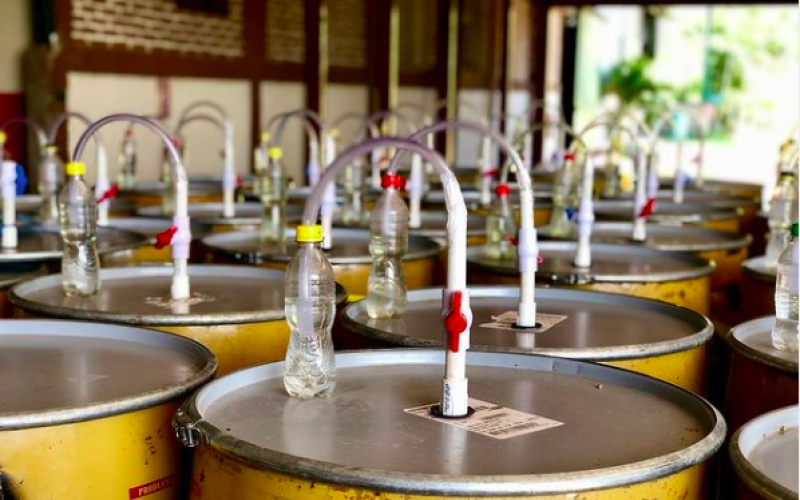
Everyone's demand for coffee is growing stronger by the day, with global coffee bean production reaching as high as 8.4 billion kilograms annually—an astonishing output. When it comes to coffee, Front Street believes that beyond variety, origin, and cultivation methods, there is another important process that influences coffee flavor: coffee bean processing methods. Different processing methods for coffee beans [more…]
Analysis of the Principles of Enzyme Processing for Coffee Beans: A Complete Guide to the Differences Between Natural, Washed, and Honey Processes
The processing method of coffee beans directly determines the flavor direction of the final cup. Washed, natural, and honey—the three classic processes—each have different fermentation paths and flavor expressions. The enzyme processing method that has emerged in recent years introduces specific microbial strains for anaerobic fermentation on the basis of washed processing, in order to create more distinctive flavors. How exactly is this processing method carried out? And what are the essential differences between it and the three traditional processing methods? This article will break down the process details of each method one by one, and combine them with a number of representative beans from Front Street Coffee to help readers build a systematic understanding of coffee processing methods. [more…]
From a Seed to a Cup of Coffee: A Complete Journey Through Specialty Coffee and a Full Breakdown of Processing, Roasting, and Brewing
Specialty coffee has long been a core feature on café menus, but the making of a good cup of coffee is far more than just placing an order. From the seed being planted to growing into a coffee tree, it must go through germination, growth, flowering, and fruiting, then harvesting, processing, sorting, grading, roasting, and brewing—a process that can span as long as three years. This article provides a complete overview of every step of coffee from seed to cup, introduces the characteristics and flavor differences of the three major processing methods—natural, washed, and honey—and explains the key points of coffee bean grading, defect sorting, and roasting and extraction, taking you truly into the world of specialty coffee. [more…]
Pour-Over vs. Espresso | What's the Difference Between Hand-Ground Coffee and Machine Coffee? What Types of Hand-Ground Coffee Beans Are There? Recommendations for High-Value Light, Medium, and Dark Roast Pour-Over Beans
What is the difference between hand-ground coffee and machine coffee? We'll take the most common espresso machine as the representative of machine coffee, while hand-ground coffee is most commonly used to make pour-over coffee. Today, Front Street will compare the differences between the two and also recommend the types of coffee beans suitable for hand grinding. Machine [more…]
Yirgacheffe Washed vs. Natural Processing Methods Explained: Flavor Characteristics and Front Street Specialty Bean Brewing Guide
Yirgacheffe, as a star-producing region in Ethiopia, has always been a hot topic among coffee enthusiasts for the flavor differences between its washed and natural processing methods. The washed method centers on removing the skin and pulp, then rinsing with clean water and drying, resulting in clean, stable quality and bright floral notes; the natural method keeps the whole fruit for a long, slow drying process, giving the beans rich fruity aromas and a fuller body. This article will take a deep dive into the essential differences between the two processing methods, citing specific products such as Front Street Yirgacheffe, Front Street Guding, and Front Street Red Cherry to explain how to choose coffee beans based on flavor preferences, while also offering brewing parameter suggestions to help you easily brew a cup of coffee you love. [more…]
Espresso Machine vs. Hand Grinder Comparison: Coffee Bean Types Suitable for Hand Grinding and Brand Flavor Details
Hand-ground coffee and espresso machines are two common ways of making coffee, and they differ in extraction principles, flavor presentation, and suitable bean types. Espresso machines rely on high pressure for rapid extraction, delivering rich crema and intense flavor; pour-over, by contrast, uses hot water soaking and filtration to reveal the finer origin-specific character of coffee beans. In this article, Front Street Coffee provides a detailed comparison of the differences between the two, and recommends several single-origin coffee beans suitable for hand grinding and brewing, including washed Yirgacheffe, Costa Rica Tarrazú, and Indonesia Lintong Mandheling, while also providing specific brewing parameters and techniques to help coffee lovers find a hand-ground coffee solution that suits their taste. [more…]